
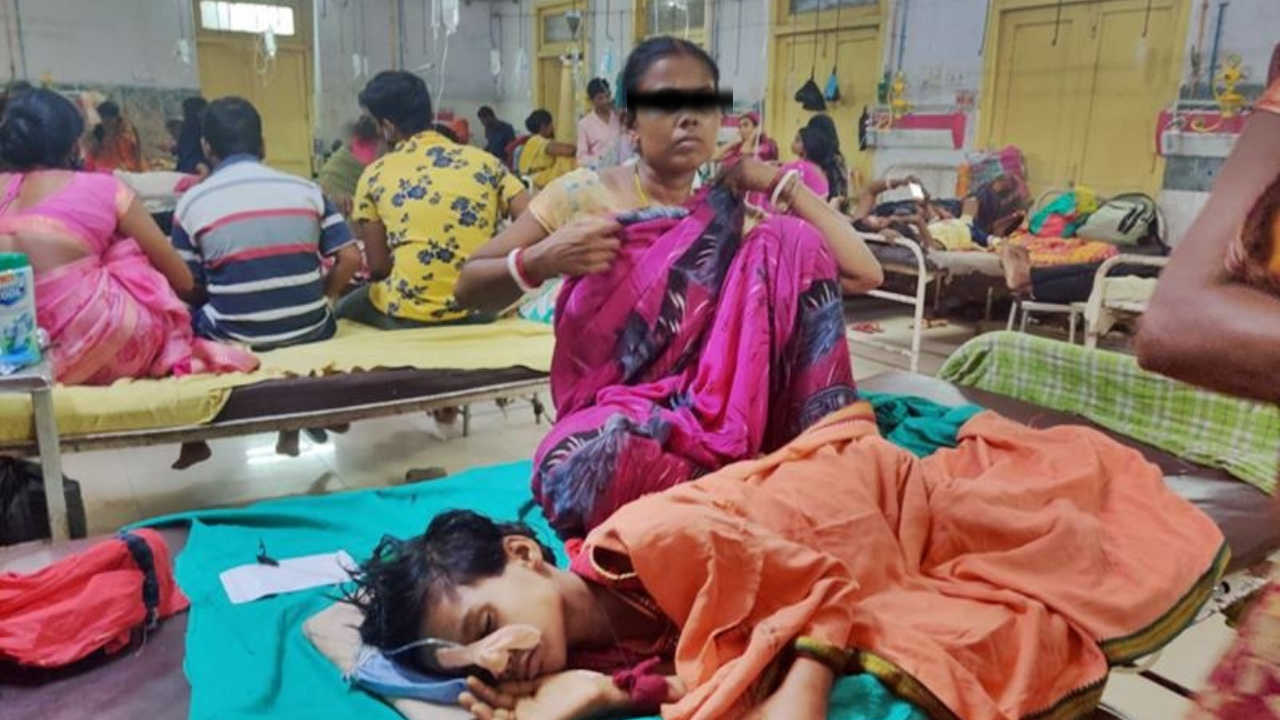
Bihar, India's third-most populous state with over 130 million residents as of 2025, stands as a stark emblem of the nation's uneven public health landscape. Nestled in the eastern Gangetic plains, the state grapples with a confluence of poverty, rapid population growth, and environmental vulnerabilities that exacerbate health disparities. Despite economic strides and targeted interventions, Bihar's health indicators lag far behind national averages, painting a picture of systemic neglect and resilience in equal measure. The recent 2024 Comptroller and Auditor General (CAG) report underscores this reality, revealing critical shortages in infrastructure, human resources, and essential supplies across public health facilities. As the state heads into pivotal elections in November 2025, health remains a sidelined issue amid debates on jobs and migration, yet it forms the bedrock of sustainable development.
At the heart of Bihar's health woes is a dual burden: lingering communicable diseases intertwined with the rise of lifestyle-related conditions. According to the National Family Health Survey (NFHS-5), nearly half of children under five suffer from stunting, a malnutrition marker that perpetuates cycles of poverty and illness. Maternal mortality ratio (MMR) hovers at 118 per 100,000 live births—higher than the national 97—while neonatal mortality stands at 34.5 against India's 24.9. These figures, rooted in inadequate prenatal care and institutional deliveries (only 76% in public facilities), reflect not just medical gaps but socio-economic inequities. Rural Bihar, home to 84% of the population, bears the brunt, where access to clean water and sanitation remains elusive for many, fueling waterborne diseases. Climate change amplifies these vulnerabilities, with frequent floods displacing communities and vector-borne illnesses surging in monsoon seasons. As Bihar navigates post-COVID recovery, addressing these interconnected issues demands urgent, multifaceted reforms.
Infrastructure and Resource Deficits: The Foundation of Failure
Bihar's public health edifice is crumbling under the weight of chronic underinvestment and mismanagement. The 2024 CAG audit paints a grim tableau: of 132 ventilators in sampled facilities, only 71 were functional due to absent technicians and non-operational ICUs. None of the four inspected sub-district hospitals boasted a working operation theatre, flouting Indian Public Health Standards (IPHS) that mandate such essentials. Primary Health Centres (PHCs), the first line of defense in rural areas, fare no better—only 41% meet IPHS criteria, compared to the national 74%. This shortfall translates to overburdened tertiary hospitals like Patna Medical College and Hospital (PMCH), where emergency services collapse under patient influx.
Human resources mirror this decay. A staggering 49% of posts in the health department—from directorates to medical colleges—lie vacant, crippling service delivery. Recruitment for 13,340 positions out of 24,496 sanctioned roles stalled as of 2022, leaving frontline workers like Auxiliary Nurse Midwives (ANMs) and Accredited Social Health Activists (ASHAs) stretched thin. In rural Bihar, where 35.3% of the population battles cardiovascular diseases—the highest prevalence nationally—specialized care is a rarity. Diagnostic tools, from basic labs to imaging, are scarce; the CAG notes shortages in essential medicines, with 45-68% unavailable in key medical colleges during 2019-21.
Financial inefficiencies compound the crisis. Between 2016 and 2022, Bihar provisioned Rs 69,791 crore for health, yet 31% went unspent, returned to coffers due to absent policies aligned with the National Health Policy 2017. The state's 2025-26 health allocation of 6.6% of expenditure exceeds the national 6.2% but falls short of the 8% target, signaling misplaced priorities. Public trust erodes accordingly; a 2025 mixed-methods study reveals low utilization of Health and Wellness Centres (HWCs), with Bihar's footfalls at just 2.4% of national totals despite comprising 9.3% of India's population. Forgone care for pediatric fevers (41.7%) and antenatal visits (41.8%) underscores this distrust, rooted in perceived unreliability. Urban-rural divides widen the chasm: Patna's AIIMS offers cutting-edge care, but remote districts like Banka or Jamui rely on understaffed PHCs, where a single doctor serves thousands.
These gaps aren't mere statistics; they manifest in daily tragedies. During the 2024 floods, delayed emergency responses led to spikes in waterborne infections, highlighting how infrastructural voids amplify disasters. Private sector reliance fills voids but at a cost—unregulated facilities charge exorbitantly, pushing 70% of households into catastrophic expenditure. Bridging this requires not just funds but governance overhaul: decentralized planning, as in Kerala's model, could empower local bodies for tailored interventions.
Major Diseases: A Dual Burden of Infectious and Lifestyle Ailments
Bihar's disease profile is a toxic brew of legacy infections and emerging non-communicable threats, fueled by poverty and environmental stressors. Communicable diseases dominate, with Kala-azar claiming Bihar as its epicenter—76% of India's 2016 cases originated here, and resurgence looms without sustained vector control. Malaria and tuberculosis persist, with Bihar reporting high transmission in flood-prone belts like the Kosi river basin. Waterborne scourges like diarrhea and dysentery thrive in unsanitary conditions; only 9% of households have piped water, elevating risks for children.
Malnutrition compounds vulnerability, affecting 48% of under-fives with stunting and 56% lacking vitamin A supplementation. Protein-energy deficits and anemia plague women and children, with caste disparities evident: Scheduled Castes report 41.7% untreated pediatric illnesses. Climate-sensitive issues—heatwaves, floods—exacerbate respiratory and vector-borne diseases, projecting a 12.8% cancer surge by 2025 nationally, with Bihar's air pollution (from biomass fuels) accelerating cardio-pulmonary cases.
Non-communicable diseases (NCDs) are the silent invaders. Hypertension affects 25-30% of adults aged 35-70 in rural Bihar, with overweight prevalence rising 1.7 million by 2036 among seniors. Cardiovascular prevalence at 35.3% outstrips national figures, driven by low physical activity (67% risk factor) and imbalanced diets. Diabetes and cancers, linked to tobacco (gutkha prevalent) and pollution, burden an aging populace. Leprosy lingers, with Bihar among three states short of elimination, detecting thousands annually. HIV/AIDS and dengue add layers, with Aedes mosquitoes thriving in urban slums.
Dalit and Adivasi communities face 44.3% forgone diarrhea care, while urban poor in Patna show 58% stunting exposing glaring challenges. Women, comprising 48% of the population, endure high MMR due to 33.7% non-institutional deliveries. These patterns, per NITI Aayog's SDG Index, score Bihar at 66/100 for health—among the lowest. Early detection via community health workers could mitigate, but low HWC utilization hampers progress.
Government Initiatives: Steps Forward, Miles to Go – Towards a healthy Bihar
Bihar's health revival hinges on collaborative pushes. Public-private partnerships, like CGHS-rate empanelment for BPL patients, ease critical care burdens. Yet, unspent funds and policy voids persist, demanding alignment with SDG-3. Bihar’s health governance needs innovation driven by grand-mother’s wisdom.
Bihar's public health quagmire—riddled with infrastructural voids, rampant diseases, and inequities—threatens its demographic dividend. Incremental wins via NHM and BTSP offer hope, but scaling requires 8% budgeting, vacancy fillings, and decentralized governance akin to Kerala. Prioritizing health isn't charity; it's economic imperative. Empowering communities through education and tech can forge resilience, ensuring Bihar's people thrive, not just survive.