
Holding UNECOSOC Special Consultative Status
Holding UNECOSOC Special Consultative Status

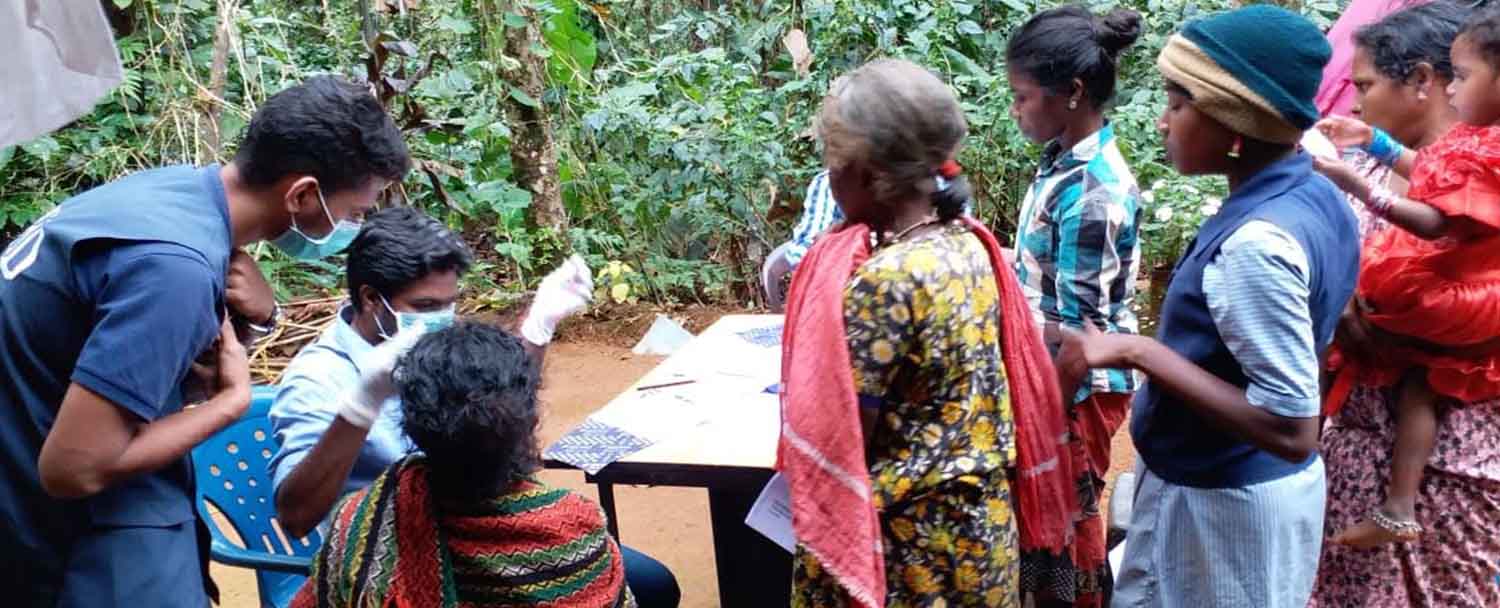
Investing in public health—through infrastructure, workforce development, disease surveillance, prevention programs, and data systems—is critical for protecting populations, reducing healthcare costs, and supporting economic stability.
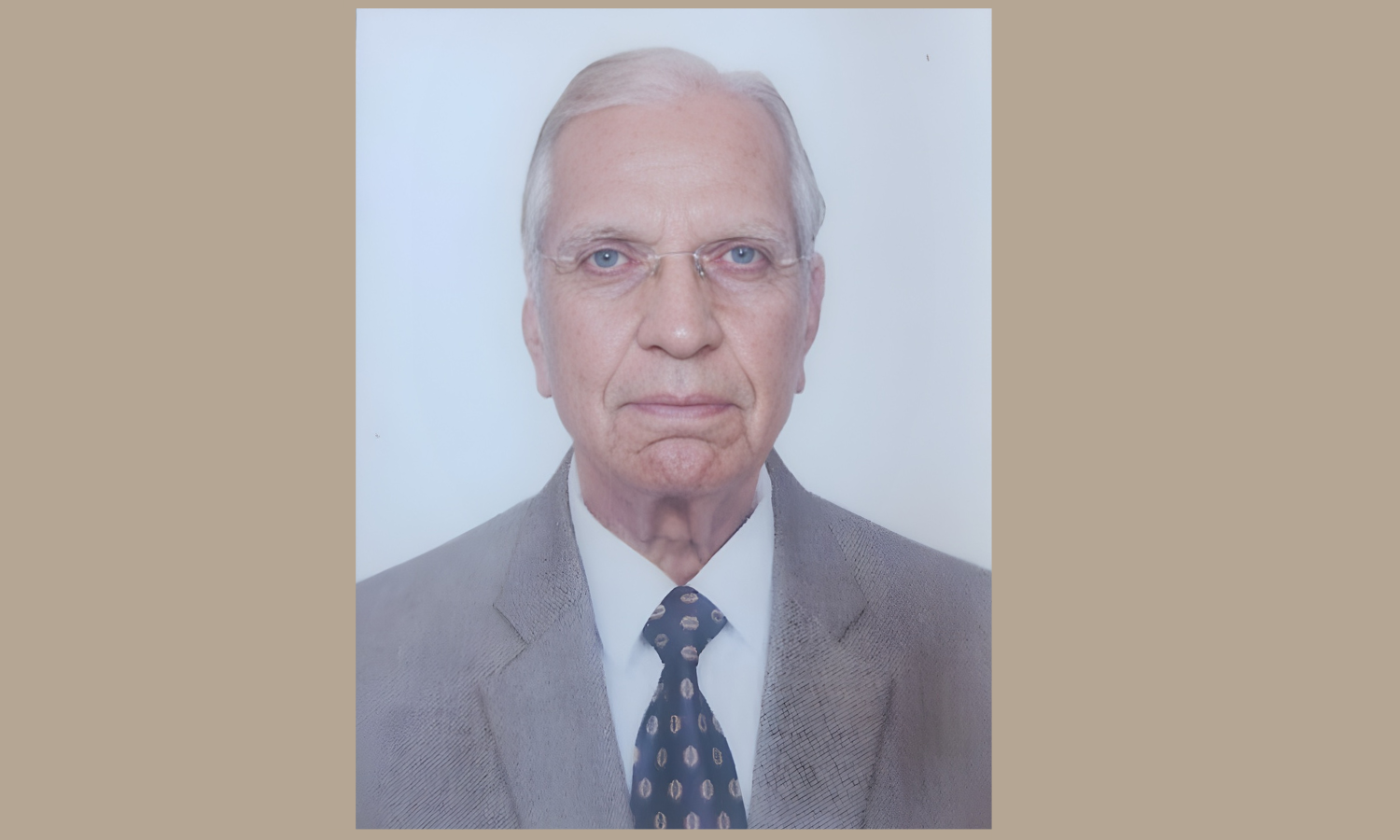
Acting on the request made by required number of Members of Rajya Sabha, Her Excellency, the President of India has constituted a committee to investigate under Section 3 of Act into misbehaviour or incapacity of Justice Verma.

Global food systems are simultaneously the most climate-vulnerable sector and one of the most powerful levers for adaptation. They feed 8 billion people while occupying 40–50% of Earth’s ice-free land, employing over 1 billion people, and generating roughly one-third of anthropogenic greenhouse gas emissions.

This year’s COP comes at a key point in the cycle of the 2015 Paris agreement, which fleshes out the “how” of the UNFCCC by requiring every country to come up with a national plan on greenhouse gas emissions. Called nationally determined contributions (NDCs), these plans must be revised every five years.
Bihar, India's third-most populous state with over 130 million residents as of 2025, stands as a stark emblem of the nation's uneven public health landscape. Nestled in the eastern Gangetic plains, the state grapples with a confluence of poverty, rapid population growth, and environmental vulnerabilities that exacerbate health disparities.
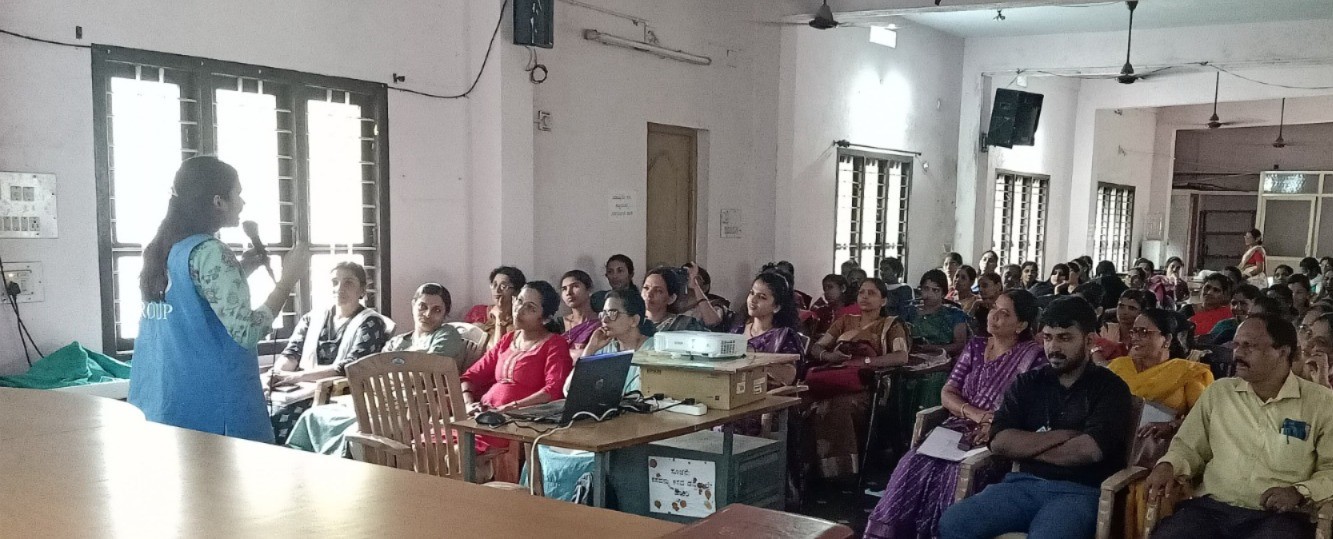
CHD Group along with Government of Karnataka, National Health Mission launched the intensive training on End Malnutrition Initiative (EMI) along with the Department of Women and Child Development, Udupi, District Administration, Department of Health and Family Welfare, Udupi District