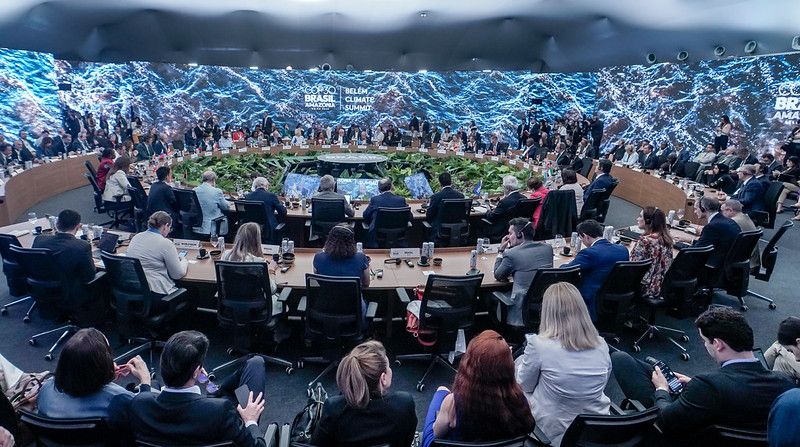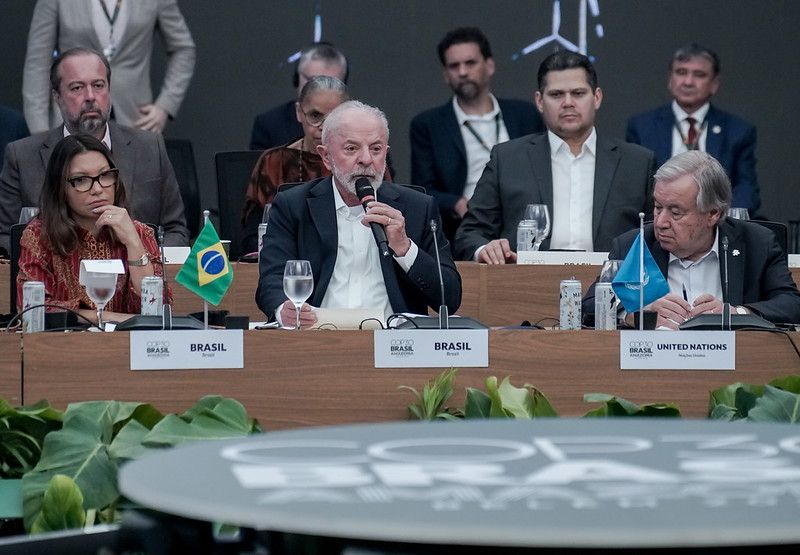
This year’s COP comes at a key point in the cycle of the 2015 Paris agreement, which fleshes out the “how” of the UNFCCC by requiring every country to come up with a national plan on greenhouse gas emissions. Called nationally determined contributions (NDCs), these plans must be revised every five years.
Two cycles of NDCs – the first at Paris, the second compiled in 2021 at the Cop26 summit in Glasgow (which was delayed from 2020 by the Covid pandemic) – have now passed. In the first, nations put forward targets, mostly pegged to 2025, which would have allowed temperatures to rise by more than 3C above preindustrial levels, far beyond the 1.5C that was the more stringent of the two targets in the Paris treaty.
CHD Group – a global health organization having its office at Mangalore in India has been at the forefront of Climate negotiations, putting the spotlight on climate and health issues and climate and food systems so that country governments might be able to revisit their plans towards a sustainable planet.
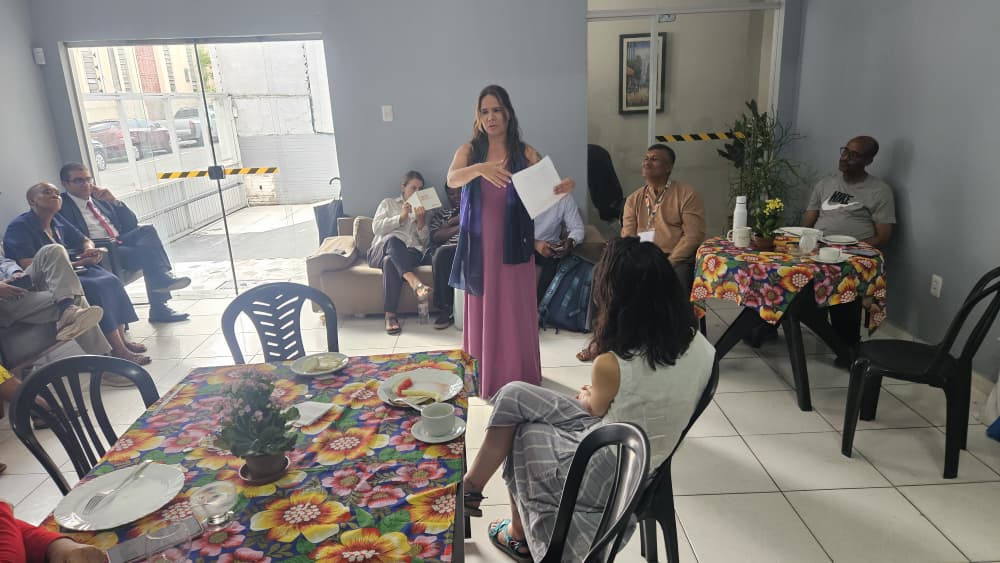
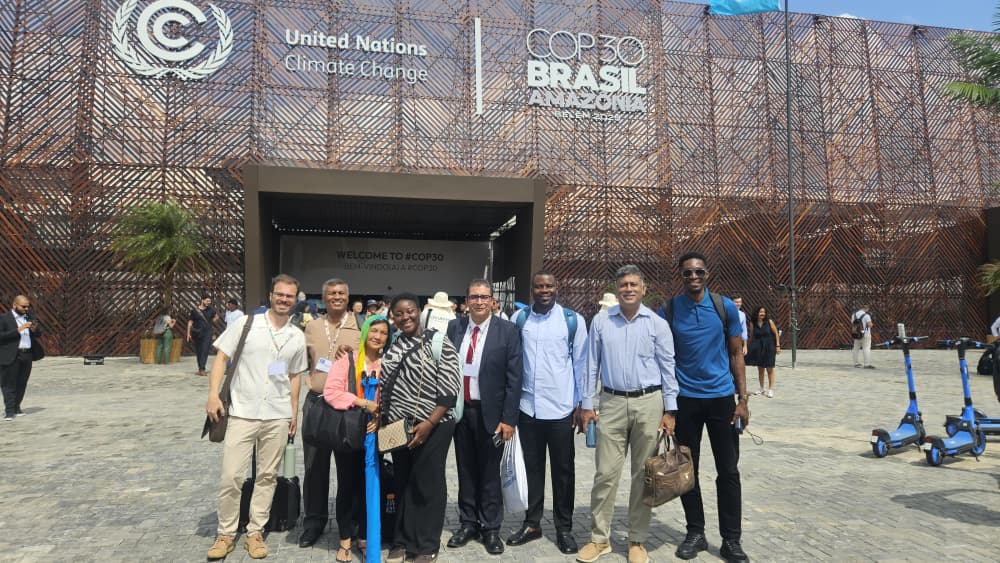
CHD Group has sent a 8-member delegation to Belem, Brazil to be part of this climate negotiations putting together a diverse bunch of scholars and scientists who represent diverse shared interests globally.
Last year’s COP29 in Baku, Azerbaijan, was the finance Cop where, for the first time, countries debated how much assistance should be provided from the rich world to the poor. The previous target of $100bn each year from 2020 was not subject to debate, but was adopted at Cop15 in Copenhagen in 2009. After two weeks of bitterness and hostility, Cop29 arrived at the same conclusion that had been predicted long before its start: an overarching goal of $1.3tn a year was to flow to the developing world by 2035, drawn from a wide variety of public and private sources and, within that, a pledge by developed countries to supply $300bn directly. The Baku to Belem transition has faced several hindrances from a few countries, willingly wanting to disrupt the shared consciousness for global good.
CHD Group has been mainstreaming conversations around food systems and health, farm and occupational concerns and health as a holistic narrative of shared growth.
Holding UNECOSOC Special Consultative Status