Global food systems are simultaneously the most climate-vulnerable sector and one of the most powerful levers for adaptation. They feed 8 billion people while occupying 40–50% of Earth’s ice-free land, employing over 1 billion people, and generating roughly one-third of anthropogenic greenhouse gas emissions. Climate change is already reducing crop yields by 21% of potential yields since 1961 (IPCC AR6, 2022), with maize, wheat, and rice yields declining in most low-latitude regions. Extreme weather events—droughts, floods, heatwaves, and new pest/disease patterns—are disrupting supply chains and pushing millions into hunger. By 2050, without adaptation, an additional 80–180 million people could face chronic hunger (FAO SOFI 2024).
Industrial monoculture systems, heavily dependent on synthetic fertilizers, pesticides, and irrigation, are particularly brittle. They deplete soil organic matter, destroy biodiversity, and create feedback loops: degraded soils hold less water, making crops more vulnerable to drought, while fertilizer runoff fuels dead zones and further emissions. The system is optimized for short-term yield, not long-term resilience.
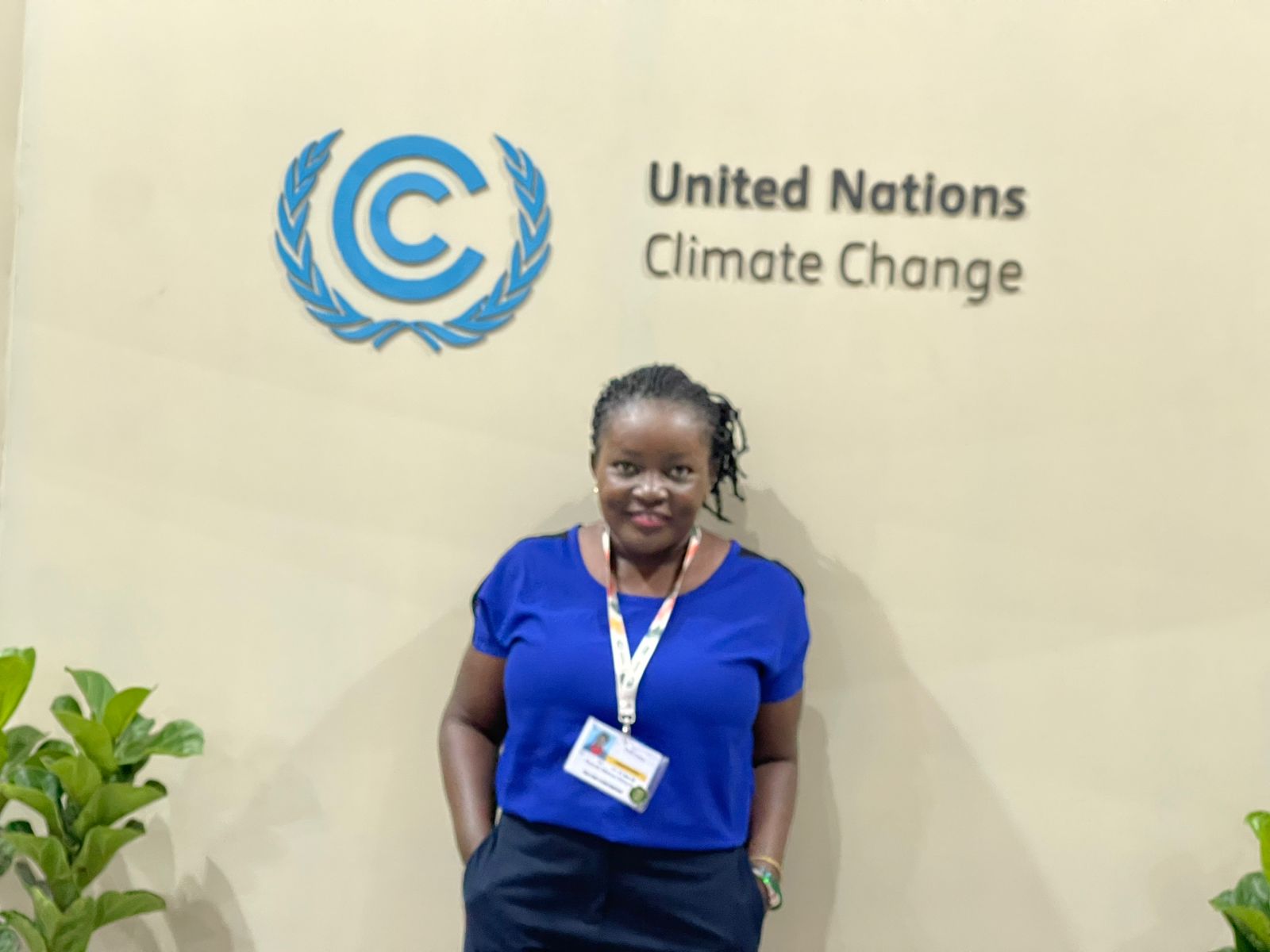
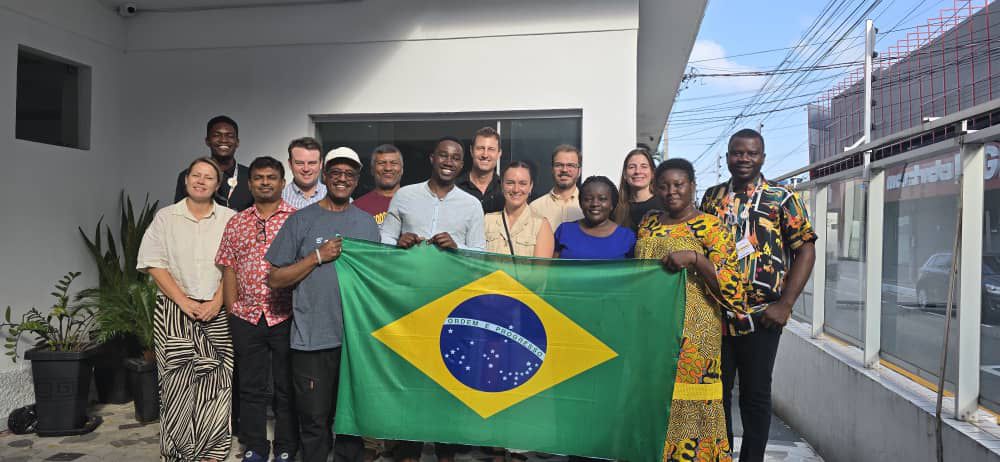
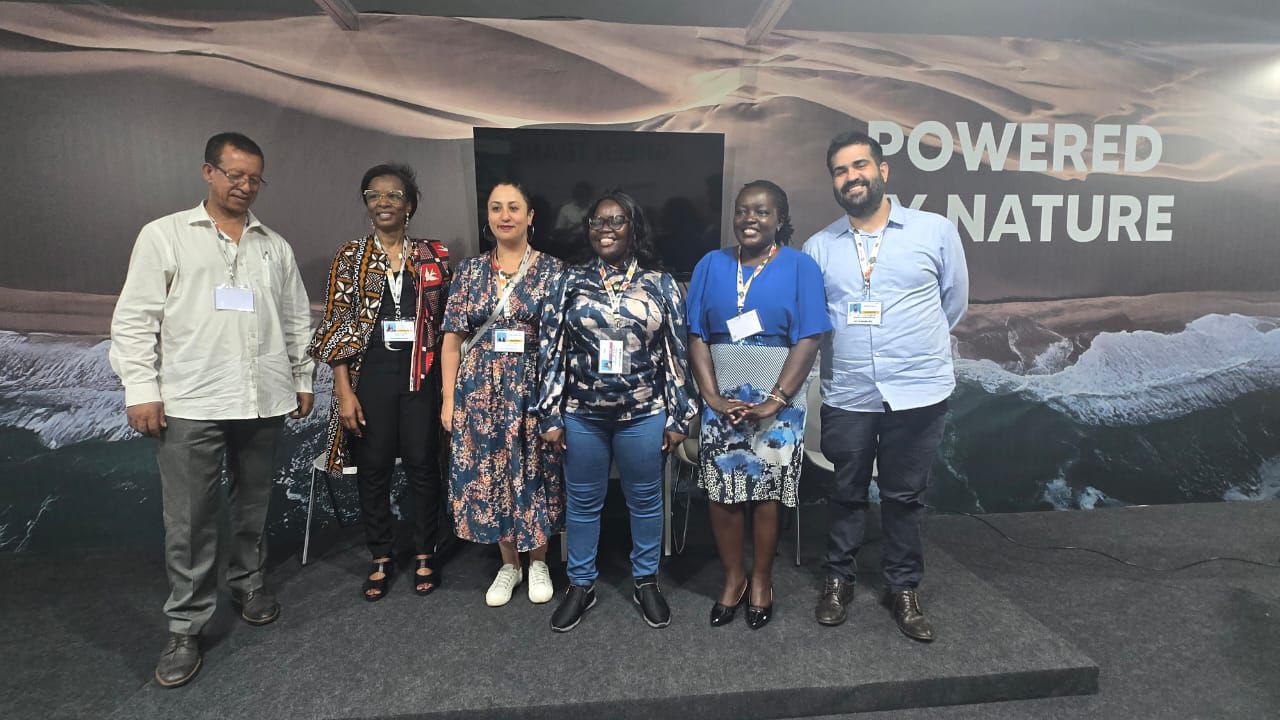
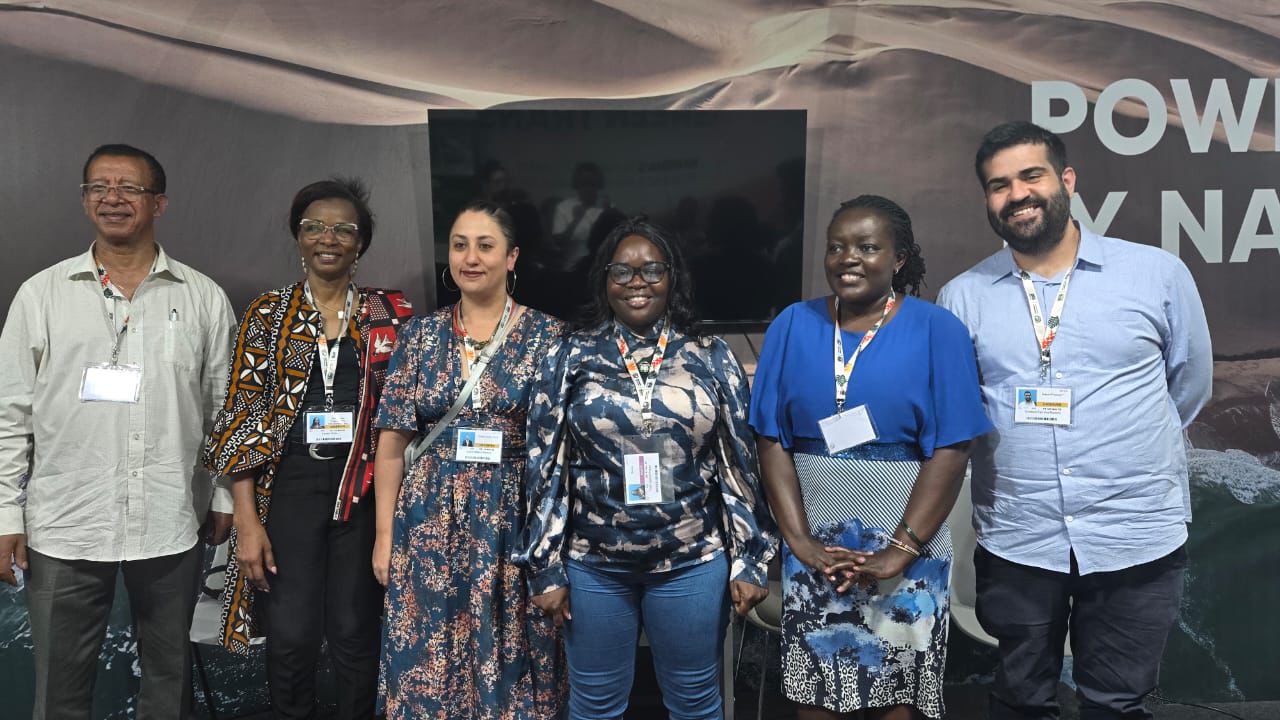
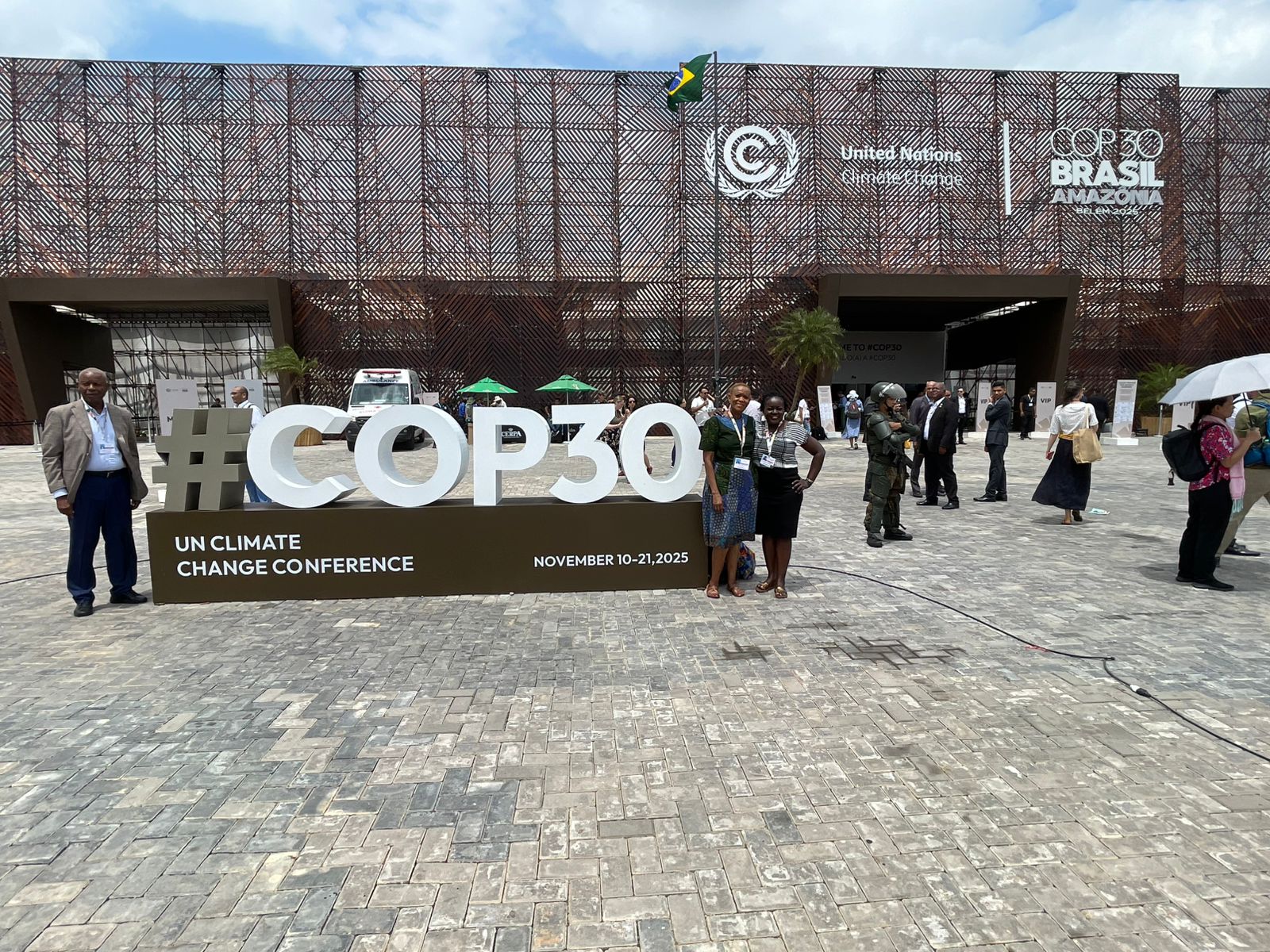
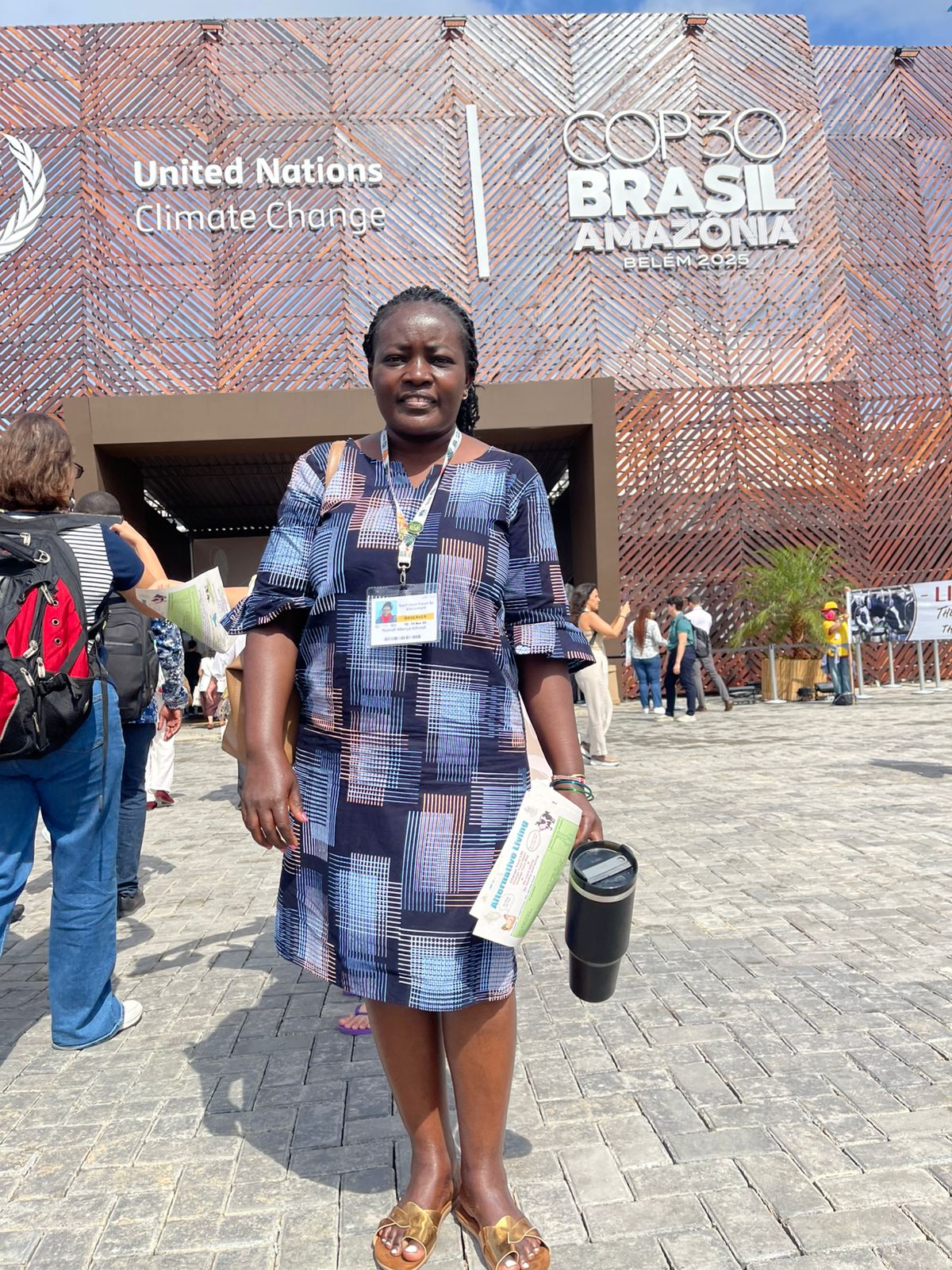
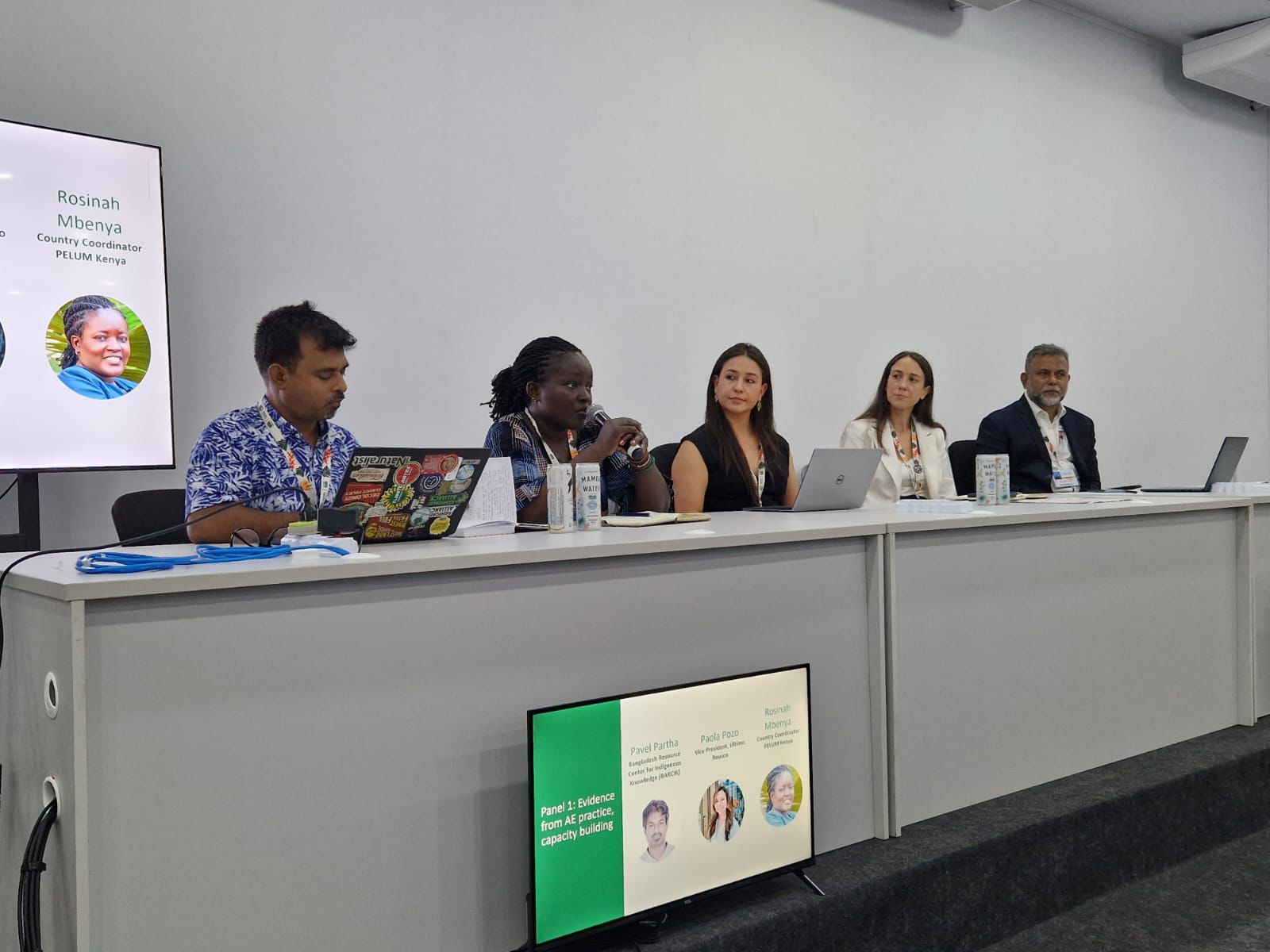
Agroecology offers the most robust, scalable pathway for adaptation. By applying ecological principles to agricultural design, it rebuilds the natural capital that industrial agriculture has eroded. Soil health restoration through reduced tillage, cover cropping, biochar, agroforestry and silvopasture systems, diversification buffers against climate shocks and breed diversity support the creation of sustainable environments. The International Treaty on Plant Genetic Resources estimates that 75% of crop genetic diversity has already been lost. CHD Group colleagues, Rosinah, Ysa, Theresa and others spoke at various pavilions and side events to steer the journey into the COP negotiations.
Real-world evidence is compelling. In sub-Saharan Africa, push–pull agroecological systems (Desmodium intercrop + Napier grass borders) have increased maize yields by 2–3.5 times under drought conditions while virtually eliminating Striga weed and stemborer damage. In Central America, Quesungual slash-and-mulch agroforestry systems maintained productivity during Hurricane Mitch (1998) while conventional fields suffered 80–100% losses. In India, the Community Managed Sustainable Agriculture program in Andhra Pradesh scaled agroecological practices to 1 million hectares, reducing input costs by 30–50% and increasing net incomes by 70–100% even during erratic monsoons.
Agroecology also shortens and diversifies supply chains through farmers’ markets, community-supported agriculture, and territorial food systems, reducing vulnerability to global shocks like the 2022 Ukraine war grain disruptions. Indigenous and peasant food systems, which still feed 70% of the global South using only 25% of agricultural resources (ETC Group, 2017), demonstrate that low-external-input, knowledge-intensive approaches are not marginal but foundational to food security under climate stress.
Transitioning to agroecological food systems is not a luxury—it is an urgent necessity. Current industrial trajectories lock us into escalating risk; agroecological pathways rebuild resilience from the soil up. Policy must shift subsidies from input-intensive agriculture to farmer field schools, participatory research, and agroecological extension services are essential and must begin now. Further, Project SAFE based concepts piloted for shaping occupational health of farmers and farm laborers will take agriculture ministries a long way in shaping policies of the future and towards securing food security.