
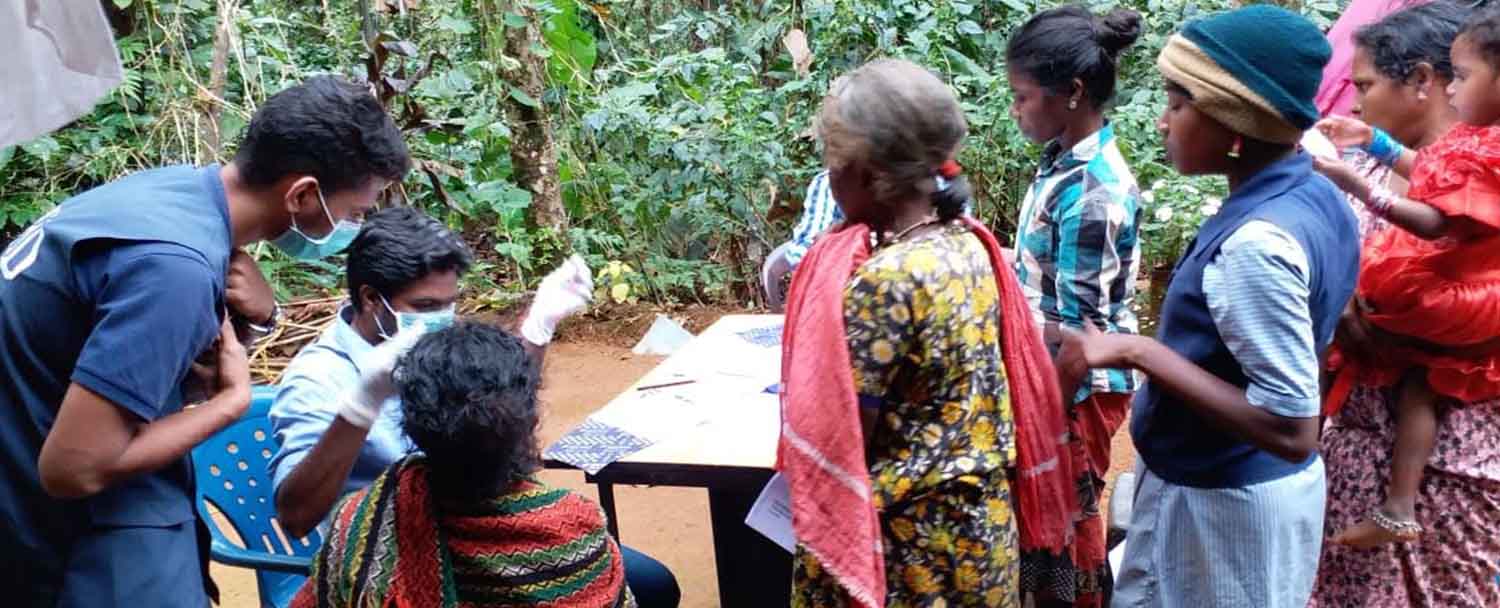
Investing in public health—through infrastructure, workforce development, disease surveillance, prevention programs, and data systems—is critical for protecting populations, reducing healthcare costs, and supporting economic stability. Chronic underfunding has left many systems vulnerable, as evidenced by challenges during the COVID-19 pandemic, but evidence shows that targeted investments yield substantial benefits.
Public health investments directly reduce preventable diseases, mortality, and disparities. Increases in spending are linked to declines in mortality rates, low birth weights, foodborne illnesses, and sexually transmitted diseases. Prevention efforts, such as vaccinations, tobacco control, and early interventions, address root causes like social determinants of health, leading to longer, healthier lives. Historical successes include sharp reductions in tuberculosis cases and hospital-acquired infections through improved surveillance and infrastructure.
Public health provides one of the highest returns on investment (ROI) among government spending areas. Systematic reviews show:
Every $1 invested can yield up to $88 in health savings and economic benefits, through reduced healthcare utilization and productivity gains. A healthy workforce is more productive, with fewer absences and lower chronic disease burdens (e.g., preventable conditions cost the U.S. economy over $1 trillion annually in indirect losses). Investments in prevention are far cheaper than treatment, making cuts to public health a "false economy" that shifts costs to hospitals and the broader economy.
Underinvestment exacerbates crises: COVID-19 is estimated to have cost the global economy $11–16 trillion, far exceeding preparedness needs (e.g., $20–50 billion annually globally could significantly reduce future risks). Robust systems enable early detection, rapid response, and containment, as seen in countries with strong surveillance post-past outbreaks (e.g., SARS improvements in East Asia). Without sustained funding, threats like emerging diseases, climate-related health risks, and antimicrobial resistance worsen. Public health advances health equity by targeting underserved communities, reducing disparities in access and outcomes. It supports diverse workforces (often women and people of color) and addresses wider determinants like clean water, sanitation, and education. Social ROI frameworks capture non-monetary gains, such as improved community well-being and environmental resilience.
Public health is a foundational public wealth with high externalities—benefits extend beyond direct recipients to society and the economy. Research experts, emphasize that sustained investments (e.g., $4.5 billion annually in the U.S. for core infrastructure) are urgent to modernize systems, rebuild workforces, and prepare for future threats. Prioritizing it now prevents far greater human and financial costs later.